SANTANA VEGA, DULCE MARÍA
Foreword.............................................................................................. 25
Juan A. Corbera Sánchez
Octavio Pérez Luzardo
Dulce M. Santana Vega
INTRODUCTIONARY
CHAPTER
The constitutional recognition of animal rights in Spain............................. 33
Iván Ojeda Legaza
I. General overview........................................................................... 33
II. The Constitutional protection of animals in comparative law:
models and experiences.................................................................. 36
2.1. Europe and the pioneer countries in animal protection................. 36
2.2. Hispanic America: a lighthouse in the shadows.......................... 39
III. Current situation and legal framework in Spain.............................. 43
3.1. Animal rights and the Law in Spain........................................ 43
3.2. Act 7/2023 of 28 March: a brief overview................................. 50
3.3. The Judgment of the Constitutional Court 81/2020 of 15 July..... 51
3.4. The (possible?) effective implementation of animal rights
through the Constitution............................................................ 53
References........................................................................................ 54
CHAPTER ONE
PUBLIC ADMINISTRATIONS AND ANIMAL PROTECTION
Competence-related aspects in the application of Act 7/2023, of 28 march,
on the protection of animal rights and welfare....................................... 63
Ruth Manzanares Fernández
I. Introduction.................................................................................. 63
II. Constitutional competence titles in animal protection......................... 65
III. Potential conflicts between Act 7/2023 of 28 March on the
protection of animal rights and welfare and previously enacted
regional laws: prevalence of basic state legislation, supervening
unconstitutionality and regional displacement.................................. 67
IV. Adaptation of regional legislation following the Enactment of
Act 7/2023 of 28 March............................................................... 70
V. Conclusions.................................................................................. 72
References........................................................................................ 73
Public authorities in animal protection: new perspectives........................... 75
Ruth Manzanares Fernández
I. Introduction.................................................................................. 75
II. European Union: past, present and future........................................ 77
2.1. European Union Law as a legal source...................................... 77
2.2. The European Union and animal welfare.................................. 78
2.3. Companion animals within the European Union framework........ 79
III. The Spanish State........................................................................ 81
3.1. Legislation: where we come from............................................... 81
3.2. Legislation: where we are heading............................................. 85
3.3. Public policies........................................................................ 87
IV. The Autonomous Communities: starting point and destination
of new challenges.......................................................................... 89
4.1. Legislation............................................................................ 89
4.2. Competences, implementation and public policies........................ 91
V. Local authorities: the first line of action............................................ 92
5.1. Challenges and difficulties....................................................... 92
5.2. Public policies........................................................................ 94
VI. Conclusions................................................................................ 96
References........................................................................................ 98
Identification and Registration of Companion Animals............................ 103
Ruth Manzanares Fernández
I. Introduction.................................................................................103
II. The importance of identification....................................................103
III. Evolution and situation prior to the approval of Law 7/2023,
of March 28................................................................................108
IV. The new legal framework for companion animals identification.........109
V. Challenges to be addressed.............................................................112
5.1. Legal and technological issues.................................................112
5.2. Social challenges...................................................................113
VI. Additional possibilities and new technologies..................................116
6.1. Advanced electronic microchips...............................................116
6.2. Biometric identification: nose prints, facial recognition
and DNA...............................................................................117
6.3. DNA-Based Identification......................................................118
6.4. Blockchain for companion animals registration and traceability...118
6.5. Mobile applications and interconnected systems for data
management...........................................................................119
VII. Conclusions..............................................................................120
References.......................................................................................122
CHAPTER TWO
PHYSIOLOGICAL, ETHOLOGICAL AND ETIOLOGICAL
ASPECTS OF ANIMAL RIGHTS
The importance of socialisation in canine and feline species..................... 127
Ángela González Martínez
I. Introduction.................................................................................127
II. Behavioural ontogeny in canine and feline species............................128
2.1. Prenatal stage.......................................................................129
2.2. Neonatal stage......................................................................130
2.3. Transitional stage.................................................................132
2.4. Socialisation period...............................................................132
2.6. Juvenile Period.....................................................................136
2.7. Adolescence..........................................................................136
III. Importance of puppy classes.........................................................137
IV. Ideal adoption age for puppies and kittens......................................139
V. Role of the mother in the development of puppies and kittens...............140
VI. Conclusions...............................................................................141
References.......................................................................................141
Zooeyia: the positive health benefits of companion animal ownership........ 147
Juan Alberto Corbera Sánchez
I. Introduction.................................................................................147
II. Health benefits of pet ownership related to physical activity.................149
III. Health benefits of pet ownership for children and adolescents.............151
IV. Health benefits of pet ownership for the elderly population.................152
V. Benefits of pet ownership in families living with autism.....................153
VI. Mental health benefits of pet ownership..........................................154
VII. Cardiovascular health benefits of pet ownership..............................155
VIII. Benefits of pet ownership and the promotion of social interaction.....158
IX. Effects of pet ownership on allergies and asthma..............................158
X. Benefits of pet bird ownership.........................................................161
References.......................................................................................161
Housing and transport of animals: physiological and ethological needs...... 171
José Rodríguez Torres
I. Housing and transport: key dimensions of animal welfare..................171
II. Current challenges in companion animal welfare.............................172
III. Legal framework.........................................................................174
IV. Animal welfare: concept and brief historical overview.......................176
4.1. Animal welfare: the concept....................................................176
4.2. The Five Freedoms.................................................................177
4.3. The Five Domains Model........................................................178
V. Housing and animal welfare: specific considerations.........................179
5.1. Environmental enrichment.....................................................180
5.2. General aspects.....................................................................180
5.3. Dogs....................................................................................182
5.4. Cats....................................................................................183
5.5. Rabbits................................................................................183
5.6. Birds...................................................................................184
5.7. Reptiles................................................................................185
5.8. Fish.....................................................................................186
VI. Travelling with my pet.................................................................187
6.1. Air Travel............................................................................187
6.2. Car Travel...........................................................................188
References.......................................................................................189
Feral cat colonies: the TNR method....................................................... 195
Octavio Pérez Luzardo
María Del Mar Travieso Aja
Manuel Luis Zumbado Peña
Beatriz Martín Cruz
I. Introduction.................................................................................195
II. Legal and regulatory framework.....................................................197
III. Feral Cat Colonies: Key Concepts..................................................200
3.1. Population dynamics and colony formation..............................201
3.2. Conflicts associated with feral cat colonies.................................201
3.3. Protection and ethical management..........................................202
IV. The Trap-Neuter-Return (TNR) Method: a comprehensive
management approach..................................................................203
4.1. The TNR Method..................................................................203
4.2. Advantages of TNR over other feline population
control strategies......................................................................204
4.3. A comprehensive approach to TNR..........................................205
V. Technical guidelines for the implementation of the TNR Method
in Spain.....................................................................................206
VI. Success stories and practical experiences in Spain............................208
6.1. An urban management model: Córdoba....................................208
6.2. A pioneering model for ethical cat management in protected
areas: La Graciosa..................................................................209
6.3. Key success factors and lessons for the future.............................210
VII. Challenges and opportunities......................................................211
7.1. Implementation challenges of the TNR Method..........................212
7.2. Specific adaptations for complex contexts..................................212
7.3. Opportunities to strengthen the TNR Method............................213
VIII. Conclusions and recommendations.............................................214
8.1. Conclusions.........................................................................214
8.2. Recommendations.................................................................215
References.......................................................................................216
Working dogs: special considerations...................................................... 221
Carlos Alfonso López García
I. Preliminary general considerations..................................................221
1.1. The current context: the companion dog as the standard.............221
1.2. Working dogs.......................................................................222
1.3. Regulation of working dogs....................................................222
1.4. Understanding as a Basis for Regulation.................................224
II. Do we know what a working dog is? Definition as a starting point......225
III. What types of working dogs exist? Classification for operational
purposes.....................................................................................228
IV. The coordinates that frame working dogs........................................230
4.1. Selective breeding: a brief historical perspective...........................230
4.2. Physical, emotional, cognitive and social profile of
working dogs...........................................................................232
VI. Regulations, working trials and canine sports: a means
turned into an end (and a remedy).................................................234
VI. The organisations that oversee working dogs...................................236
VII. Legislating for working dogs........................................................238
7.1. Conditions for the performance of work.....................................238
7.2. Traceability of active working dogs and dogs selected for
work that are not currently active...............................................241
7.3. Living and housing conditions...............................................242
7.4. Breeding and training conditions............................................243
VIII. Conclusions.............................................................................244
Some bibliography sources about the topic.............................................245
Dog breeds and the classification of potentially dangerous animals............ 247
Carlos Alfonso López García
I. Introduction.................................................................................247
1.1. What this chapter is about......................................................247
1.2. Dogs, us, and Law................................................................248
II. Conceptual problems in legislating canine dangerousness..................250
2.1. Dangerous or agressive?.........................................................250
2.2. How is aggression potential (rather than dangerousness)
determined in legislative contexts?..............................................255
2.3. Biting hard: the phantom (and irrelevant) variable....................256
2.4. Characteristics that make a dog potentially dangerous
according to Spanish Law: unpacking racialisation.....................258
III. Dog breeds as a classification category............................................260
3.1. What is a dog breed?..............................................................260
3.2. What breeds revealand what they do not................................261
3.3. Breed is NOT the same as physical phenotype............................262
3.4. What racial type isand what it is not....................................263
3.5. Breeds and aggression: what we know and what we can
infer from it............................................................................265
3.6. Leveraging what we know about breeds to prevent canine
aggression and general dog-related risk.......................................268
3.7. Breeds as a tool for classifying dangerousness, animal welfare,
and the protection of their rights.................................................269
IV. Some facts and some conclusions...................................................272
Some bibliography sources about the topic.............................................273
CHAPTER THREE
PRIVATE LAW ISSUES IN ANIMAL PROTECTION AND WELFARE
Breeding, sale and commercialisation of pet animals. Transfer
of ownership.................................................................................... 277
Rosalía Estupiñán Cáceres
I. Preliminary considerations.............................................................277
II. Regulatory framework..................................................................280
2.1. National and regional legislation............................................281
2.1.1. National legislation............................................................281
2.1.2. Regional legislations...........................................................283
2.2. European Union regulations and guidelines.............................283
2.3. International Treaties............................................................284
III. Breeding of pet animals...............................................................285
IV. Sale and commercialisation of pet animals......................................288
4.1. Marketing as a genus and selling as a species...........................288
4.2. The sales contract and the regulation of commercialisation
and sale in physical and online stores.........................................290
V. Transfer of ownership...................................................................294
5.1. Free transfer.........................................................................294
5.2. Adoption.............................................................................295
VI. Challenges and future prospects....................................................297
VII. Conclusions..............................................................................298
References.......................................................................................300
Ownership and custody of pet animals in cases of separation, divorce
and annulment................................................................................. 303
Miguel Gómez Perals
I. Introduction.................................................................................303
II. A terminological issue and a new consideration of pets......................304
III. Provisions in agreements between partners......................................306
IV. Joint or exclusive attribution of the animal to one of the (ex-)spouses...309
V. Judicial Measures.........................................................................315
5.1. Provisional measures after the admission of the claim.................315
5.2. Measures in the judgment......................................................319
VI. Other considerations....................................................................320
6.1. Mediation............................................................................320
6.2. Common-law couples.............................................................321
VII. Conclusions..............................................................................322
References.......................................................................................323
Annex............................................................................................326
Responsible adoptions.......................................................................... 329
Arancha Sanz De Madrid
Matilde Cubillo García
I. Introduction.................................................................................329
II. The problem of animal abandonment in Spain................................331
III. The importance of early puppy education in preventing a
bandonment................................................................................335
IV. Procedure for companion animal adoption......................................336
4.1. Requirements and Steps for Adopting an Animal.......................337
4.1.1. Questionnaire and preliminary assessment.............................337
4.1.2. Interview and home visit.....................................................338
4.1.3. Adoption contract: obligations and rights..............................339
4.2. Tips for helping the animal adapt to its new home.....................340
4.2.1. Setting up the home environment..........................................341
4.2.2. Veterinary visit and medical care..........................................341
4.2.3. Establishing rules and routines at home................................342
4.2.4. Socialisation and play........................................................342
4.2.5. Safety and protection in the home..........................................342
4.3. Legal implications and responsibilities in adoption....................343
4.4. Legal implications of non-compliance with the adoption
agreement...............................................................................344
4.5. Benefits of living with an adopted companion animal................345
V. Animals that help people...............................................................347
5.1. Benefits of animal visits in elderly care homes............................347
5.1.1. Emotional benefits..............................................................348
5.1.2. Physical benefits.................................................................348
5.1.3. Social and cognitive benefits................................................349
5.2. Benefits of living with a companion animal at home
in older age.............................................................................349
5.3. Benefits for hospitalised children receiving visits from
their companion animals..........................................................351
5.4. Therapy dogs supporting children in Courtrooms.......................352
Some bibliography sources consulted....................................................352
CHAPTER FOUR
THE VETERINARY PROFESSION IN ANIMAL WELFARE
AND PUBLIC HEALTH PROTECTION
Recognition of qualifications for working with animals............................ 357
Manuel Luis Zumbado Peña
Beatriz Martín Cruz
Octavio Pérez Luzardo
María Del Mar Travieso Aja
I. Introduction: categories in animal-related work.................................357
II. Legal frameworks for working with animals.....................................358
2.1. Accreditation requirements for the ownership or professional
handling of companion animals................................................358
2.1.1. National...........................................................................358
2.1.1. Regional (Autonomous Communities)...................................360
2.2. Regulation for accreditation to work with farm animals..............361
2.2.1. European..........................................................................361
2.2.2. National...........................................................................362
2.2.3. Regional (Autonomous Communities)...................................364
2.3. Regulations governing accreditation for working with
laboratory animals..................................................................365
2.3.1. European..........................................................................365
2.3.2. National...........................................................................366
2.3.3. Regional (Autonomous Communities)...................................368
2.4. Regulations on Accreditation for Working with Wild Fauna
in Zoos and Other Facilities......................................................369
III. Conclusion................................................................................370
Regulatory references.........................................................................370
Regulatory implications for the practice of the veterinary profession.......... 377
Beatriz Martín Cruz
Manuel Luis Zumbado Peña
María Del Mar Travieso Aja
Octavio Pérez Luzardo
I. Introduction.................................................................................377
1.1. Legislation in the veterinary profession.....................................377
1.2. Key legal frameworks in the veterinary field...............................378
1.2.1. Administrative Law...........................................................379
1.2.2. Health Law.......................................................................379
1.2.3. Agricultural and livestock legislation....................................381
1.2.4. Professional legislation........................................................382
II. Conclusions................................................................................384
Regulatory references.........................................................................384
Sterilisation of companion animals: implications for their behaviour
and health....................................................................................... 387
Miguel Batista Arteaga
Raquel Rodríguez Trujillo
Desirée Álamo Santana
I. Introduction.................................................................................387
II. Benefits of gonadectomy................................................................388
2.1. Population control.................................................................388
2.2. Mammary tumors.................................................................388
2.3. Other tumors........................................................................389
2.4. Reproductive diseases.............................................................391
2.5. Behaviour............................................................................392
III. Risks of gonadectomy..................................................................393
3.1. Neoplasms............................................................................393
3.2. Immune and endocrine systems...............................................394
3.3. Other disorders (dermatological and reproductive)......................395
3.4. Skeletal system disorders.........................................................396
3.5. Behavioural effects................................................................397
3.6. Weight gain and obesity.........................................................398
3.7. Urinary incontinence.............................................................399
3.8. Neurological alterations.........................................................400
3.9. Lower urinary tract disorders..................................................401
IV. Conclusions regarding gonadectomy...............................................402
References.......................................................................................403
Euthanasia: how and when to apply it with dignity................................. 407
Manuel Luis Zumbado Peña
Beatriz Martín Cruz
Octavio Pérez Luzardo
María Del Mar Travieso Aja
I. Introduction.................................................................................407
1.1. Definition of the term euthanasia in animals............................407
1.2. The veterinary professional and euthanasia..............................410
II. Euthanasia in legal regulations.....................................................411
2.1. Historical background in Spanish national and EU legislation....411
2.2. Current legal framework.........................................................412
2.2.1. National legislation............................................................412
2.2.2. Regional legislation............................................................414
2.2.3. Other regulations affecting the performance of euthanasia........416
III. Conclusions...............................................................................417
References.......................................................................................419
Risks to public health and the environment arising from companion
animals........................................................................................... 425
María Del Mar Travieso Aja
Octavio Pérez Luzardo
Beatriz Martín Cruz
Manuel Luis Zumbado Peña
I. Introduction.................................................................................425
II. Impact on biodiversity: realities, speculations and contexts.................426
2.1. Cats and their impact on biodiversity.......................................427
2.2. Dogs and their impact on natural ecosystems.............................432
III. Public health impacts attributable to cats and dogs: reality
versus perception..........................................................................433
3.1. Ancylostomiasis....................................................................434
3.2. Ascariasis............................................................................436
3.3. Leptospirosis.........................................................................437
3.4. Rabies.................................................................................438
3.5. Leishmaniosis.......................................................................439
3.6. Bartonellosis.........................................................................440
3.7. Cryptosporidiosis...................................................................440
3.8. Dermatophytosis....................................................................441
3.9. Giardiasis............................................................................442
3.10. Toxoplasmosis.....................................................................443
References.......................................................................................444
CHAPTER FIVE
ADMINISTRATIVE AND CRIMINAL LEGAL PROTECTION
OF ANIMALS
Animal protection and welfare as legal terms: concepts of companion
animal, wild animals, protection and animal welfare........................... 455
Ruth Manzanares Fernández
I. Introduction.................................................................................455
II. The modification of the legal status of animals: Act 17/2021
of 15 December............................................................................457
2.1. Background: European Union Law.........................................457
2.2. The impact of the Civil Code reform on the legal protection
of animals: analysis of the judgment on the Toro de Júbilo
in Medinaceli.........................................................................462
III. Animal rights, protection and welfare as legal terms.........................463
3.1. The legal debate on animal rights............................................464
3.2. The concept of animal protection.............................................468
3.3. Animal welfare as a scientific and legal concept.........................469
IV. Classification of animals..............................................................471
4.1. Wild animals.......................................................................471
4.2. Production animals...............................................................472
4.3. Companion animals..............................................................472
V. Conclusions.................................................................................473
References.......................................................................................475
Animals in the Spanish Criminal Code: an overview............................... 479
Miguel Díaz y García Conlledo
Luis Miguel Ramos Martínez
I. Introduction.................................................................................479
II. Animals as subject of crime...........................................................482
2.1. An
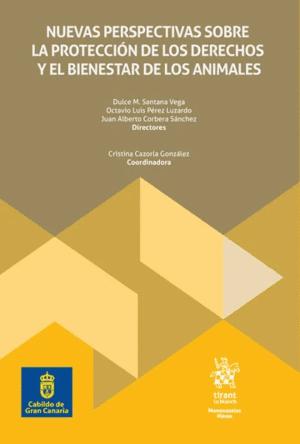
This book offers a multidisciplinary approach to the protection of animal rights and welfare.
Across its various chapters, it explores not only the controversial and hypothetical constitutional enshrinement of animal rights, but also legal aspects currently regulated under administrative, civil, and criminal law. These include: the distribution of competences among
public administrations in matters of animal protection and welfare; breeding, sale, commercialisation, and transfer of ownership; adoption processes; and the legal situation of animals in the context of marital breakdown.
The book also examines the boundary between administrative offences?primarily under Law 7/2023?and criminal acts, with particular, though not exclusive, emphasis on animal-related crimes and the legal regime surrounding animal seizure, supported by recent and relevant case law. Furthermore, it delves into the technical and veterinary perspective, addressing key factors that influence animal health, behaviour, and proper handling. Specific topics include socialisation and housing, euthanasia, sterilisation, feral cat colonies, working dogs, and the classification of certain breeds as dangerous. The volume also provides a comprehensive review of the regulatory framework applicable to professional activities involving animals.